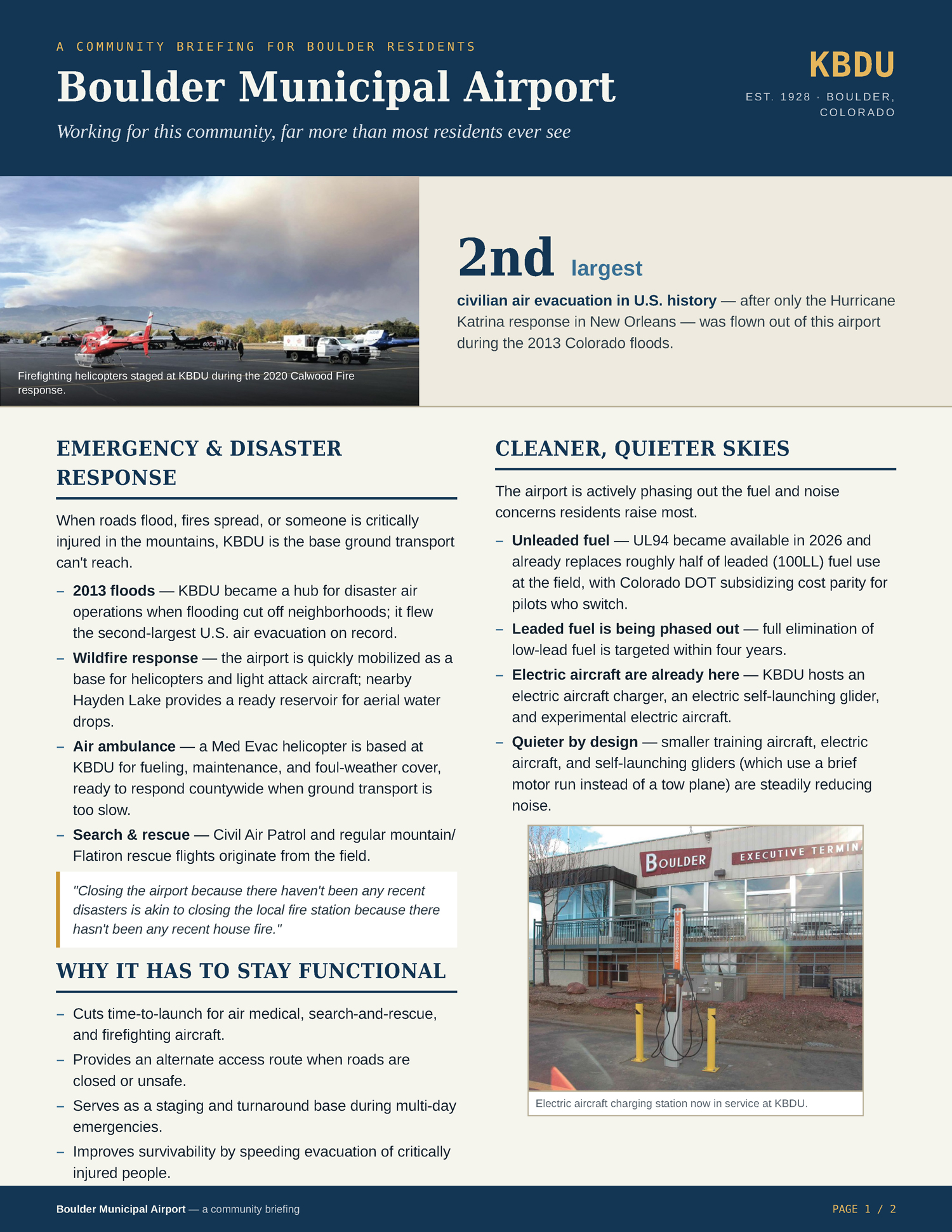
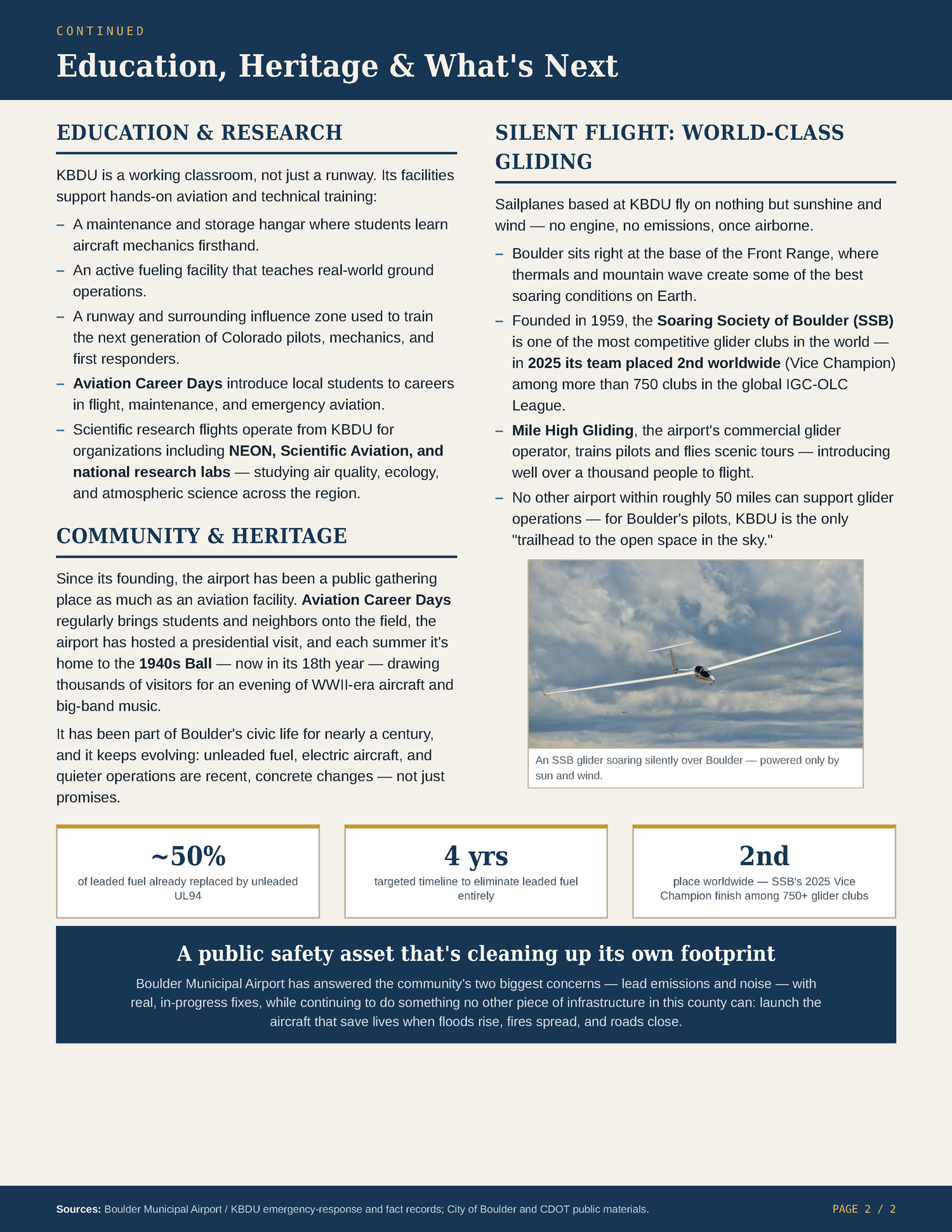
Read and share the latest Boulder Municipal Airport Community Flyer
The Boulder Municipal Airport future is still uncertain…the facts are:
- Broad Community Support: Boulder community members support the airport! In a 2023 community survey with 961 responses, 84% wanted to keep the airport.
- Local control means locals pay: If the City does not accept FAA funding, it will need to fund $13M over the next 15 years from the general fund–the first time local taxpayers would be funding the airport. To decline money from the FAA while complaining about financial shortfalls is hypocritical.
- Critical use for wildfire, flood, and human evacuation: Boulder is in the top 3% of cities nationally for wildfire risk. The airport is a critical operations center for fire and flood rescue efforts. Med Evac helicopter is based at the Boulder Airport, improving response times for medical emergencies.
- Transition to unleaded fuel, electric aircraft, and air taxis is already underway.
- Economic value and employment at the airport: According to CDOT, the Boulder Airport generated $78M in economic revenues with environmental research, business activity, and aviation-related services.
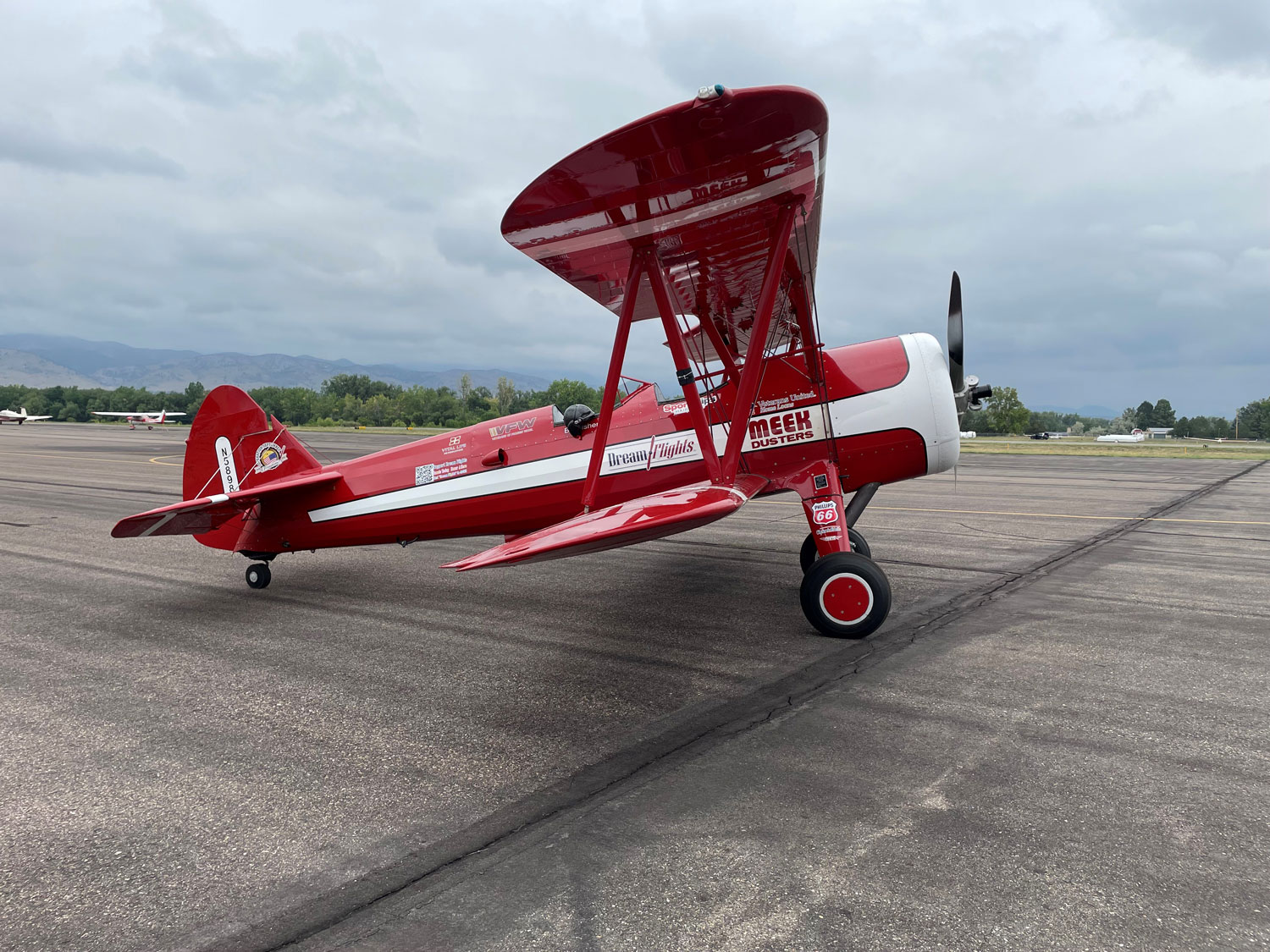
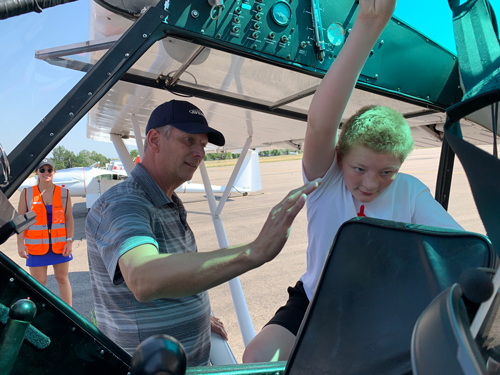
- Boulder Municipal Airportoffers educational and experiential activities for kids and young adults. Multiple non-profits provide up-close engagement with pilots and educators as well as flight and soaring scholarships.
 Boulder Municipal Airport will celebrate 100 years in 2028. Help us celebrate by supporting its next 100 years! Scan QR code to tell Boulder City Council to support our local airport….and take FAA funds to pay for it!
Save our airport. Action Alert!
A group of vocal anti-airport activists wants to destroy our airport, Boulder Municipal (KBDU), in a misguided attempt to reuse the land for urban housing developments. Sign our petition and let the City Council know that Boulder Municipal Airport is worth keeping!
Currently, there are two ballot measure proposals before Boulder voters: One to close the airport and the other to develop 50% affordable housing on the land. Now, because of these measures, the City of Boulder is suing the FAA about the future possibility of closing the airport.

Click here for a pdf version.

Haga clic aquí para obtener la versión en PDF.
Posted with permission – read on the Daily Camera
John Tayer: Boulder City Council clears flight path for safety, vitality, innovation
By JOHN TAYER | For the Camera | May 24, 2026
It’s the nature of City Council service and the whims of public discontent that officials rarely receive praise on these editorial pages. Well, I will break with convention and take this opportunity to thank our Boulder City Council majority for providing a clear flight path for the Boulder Municipal Airport.
At last month’s study session, Mayor Aaron Brocket, Mayor Pro Tem Tara Winer and Councilmembers Taishya Adams, Matt Benjamin and Rob Kaplan made it clear that we can no longer hold the diverse businesses, research agencies, public-safety providers and many other stakeholders in limbo regarding the airport’s future. It was, in essence, a non-action, keeping in place the long-standing codified commitment to maintain operations at the Boulder Municipal Airport.
John Tayer
This clarity in their support of the airport put to rest yet another quixotic adventure in line with Boulder’s expensive penchant for tilting at windmills.
The effort to close the Boulder Municipal Airport has already cost the city hundreds of thousands in lost maintenance funding, specialized contract legal counsel and city of Boulder staff hours. The estimate is that a failure to accept federal funding would cost over $600,000 in annual maintenance costs though 2040, above standard operations expenses. That’s a total price tag of well over $8 million. And we would bear this enormous additional expense at a time when our community struggles to find $20,000 to keep the Spruce Pool open for a few extra weeks in the summer and as we search for other loose change in the couch to cover basic services such as snow plowing, recreation center upkeep and median weeding.
For some in the City Council majority, I’m sure their response to city staff inquiries was simply driven by practical budgetary and legal considerations. Yes, the Federal Aviation Administration requires a long-term commitment to airport operations, but that is the same commitment communities across the country are making to preserve critical infrastructure without placing unsustainable costs on local taxpayers. Others probably recognize the red herring of middle-income housing development on the airport property. And, certainly, skepticism over lower-end estimates of environmental clean-up cost for the site are warranted when considering the wild underestimation of remediation costs for the former Boulder Community Hospital site.
Whatever rationale most moved each individual member of the City Council majority, I’m thankful for their clearly expressed opinions, because we can now begin focusing on the important future for this essential piece of civic infrastructure.
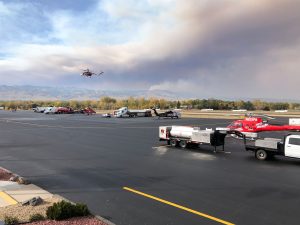
We can all be thankful for preservation of the Boulder Municipal Airport’s critical role in incident response and in alleviating the risk to life and property during major disaster incidents. With respect to the Calwood Fire, specifically, our airport served as the firefighting heli-base, providing the closest response proximity and the capacity to handle many aerial vehicles from a single location. In response to the Fourmile Canyon and the Marshall fire incidents, the airport served in a tactical capacity as the staging site for small aircraft involved in fire reconnaissance and coordination, refueling and turnaround for aerial support planes and helicopters. It also hosted incident command and support personnel when nearby facilities are overwhelmed.
Further, in response to the 2013 floods — when roads and canyon access routes were severely damaged — the airport supported helicopter operations for search-and-rescue and supply delivery, functioned as a coordination point for emergency responders, and enabled the rapid movement of personnel and equipment when ground transport was unreliable. Our municipal airport also supports Civil Air Patrol missions and other search and rescue operations. We ignore the importance of this life and safety asset at our peril.
A commitment to the Boulder Municipal Airport has further implications for our long-term economic vitality. A 2025 Colorado Department of Transportation study found that the airport generates over $78 million in annual revenue. This number most certainly is an underestimation. Just a brief scan of the CDOT study identified one major company missing from the data that relies on the airport — Shotover and its 50 local employees — that has been clear it will find another place to do its business without a long-term commitment to airport operations.
Yet it’s the future potential of the Boulder Municipal Airport as an economic asset that is most exciting. The airplane hangars that sit on the airport property are terribly underutilized. These are locations for businesses that need access to an airport to serve their operations, as well as businesses that are developing airplane technology. This is aside from the value of the airport to local research institutions for their instrument testing and observation activities. A stable and well-maintained airport is essential to drawing future business and research institution investment in our community.
Finally, let’s talk about the nature of Boulder and its capacity for innovation leadership. The future of flight is evolving. The proliferation of drones that carry humans and goods and electric airplanes are just around the corner. We can’t underestimate the existential nature of proximity to an airfield that can accommodate such evolving transportation modalities for both business and commuter purposes. Having access to a mobility hub in the center of our community also is essential for Boulder’s entrepreneurs to drive further development of these cutting-edge technologies.
I could go on, but suffice it to say that our City Council majority deserves appreciation for the foresight they demonstrated during last month’s discussion regarding the Boulder Municipal Airport. I understand there will be another opportunity in the coming weeks for other City Council members to clarify their position on the airport’s long-term future. Let’s all rally around our municipal airport and clear the runway for a future that includes the public safety, economic vitality and innovation roles it will continue to play for our community.
John Tayer is president and CEO of the Boulder Chamber of Commerce. He can be reached at 303-442-1044, ext 110 or john.tayer@boulderchamber.com.
Good news! At Thursday evening’s Study Session, Boulder City Council held an informal 5-4 vote in support of the Boulder Municipal Airport, allowing the City Manager to apply and receive FAA and State of Colorado funding. Council also said that they will reinforce this vote in the near future with a resolution, which we support. We want to thank them and assure them that the Boulder Airport is an important community asset, a good neighbor, and is valued far and wide by local and county residents.
Thanks to all of you who wrote to Council! If you’d like to thank them, please put the following in your own words and send to this address:
bouldercolorado.gov/contact-city-council-and-staff
Dear Mayor Brockett and Council:
Thank you for your votes of support to continue operating the airport in Thursday evening’s Study Session. With the backing of the City and Airport Manager, Eric Vences, Boulder Municipal Airport is well positioned to become a regional leader in sustainability, serve as a critical public safety asset, and set a strong example for community engagement.
Allowing City staff to pursue federal and state grants will also help ensure the airport remains financially viable without relying on local taxpayer dollars.
In the 2023 Community Working Group process, 84% of surveyed participants supported the airport and encouraged its continued enhancement. We appreciate your alignment with this strong community sentiment.
We look forward to the passage of a resolution that will further solidify the airport’s future and hope all of you will support it, even if you didn’t fully agree with the process.
SAVE THE DATE!
BOULDER AIRPORT DAY JUNE 6, 2026
Finally, we recognize that many of you have supported this effort over the years, despite the fact that you may have no day-to-day involvement with the airport. We are honored and deeply grateful that you have been involved.
Gratefully,
Save Boulder Airport
The Boulder Municipal Airport has undergone some significant improvements in the past six months. The City hired a new Airport Manager, Eric Vences, who has proven to be a collaborative problem solver, a diligent manager, and an airport advocate. City Council recently passed an initiative to accept State of Colorado unleaded fuel subsidies and bring unleaded fuel to the airport for the first time. In addition, the City accepted a $450K CDOT grant for runway and taxiway improvements. These are the first grants approved in years, thanks to Eric!
However, the big decision comes in two weeks at a City Council Study Session on April 23. Council will be asked if they support the airport’s continued existence, which would lead to the City pursuing FAA grants for the first time since 2020. As you can imagine, the anti-airport folks have spun into action.
We need your help in communicating to City Council.
Please use any of the points below (choosing one or two and using your own words) and go to the following site to show your support for the airport. Or, if you personally know a Council member, call him/her.
- The City of Boulder has consistently communicated that it lacks sufficient funding to sustain its current programs and services. If the City chooses to close the airport and forgo FAA funding, it would need to allocate approximately $9 million over the next 15 years from the general fund—marking the first time local taxpayers would directly subsidize the airport. This raises an important question: what tradeoffs would City Council make to accommodate this shift? Would it come at the expense of priorities such as the South Boulder Recreation Center, road maintenance, or critical fire mitigation? Declining available federal funding while simultaneously citing financial constraints presents a clear inconsistency in fiscal policy.
- Wildfire risk remains one of the most significant threats facing the Boulder community, particularly given the vulnerability of surrounding open space to ignition and rapid spread into urban areas. The Boulder Municipal Airport played a critical role during the 2020 Calwood Fire, serving as a Heli-base operational center for over 10 helicopters and supporting vehicles for firefighting efforts. As drought conditions intensify (we’ve had two wildland fires inside the city limits in the last three days alone!), the likelihood and severity of such events will only increase, underscoring the importance of maintaining all available emergency response infrastructure. Additionally, the airport serves as a key hub for medical evacuation and emergency services, further reinforcing its value to public safety. E.g., during the 2013 flood event, more than 1200 people were rescued in one of the country’s largest-ever airlift operations conducted from the Boulder airport.
- In 2023, the City undertook an extensive nine-month community engagement process led by a Community Working Group, at a cost of approximately $500,000 in consultant fees and staff time. This process incorporated perspectives from both airport users and those advocating for its closure. Among 961 survey responses, 84% were in support of the airport. The Working Group ultimately recommended maintaining and improving the airport. However, dissatisfaction with this outcome led anti-airport constituents to pursue a ballot initiative to close the airport less than a year later.
- The airport also contributes to the local economy by supporting jobs, business activity, environmental research, and aviation-related services. According to the Colorado Department of Transportation, the Boulder Airport generated $78M in economic revenues and a $23M payroll. Its role as an economic and transportation asset should be considered alongside other policy priorities when evaluating its future.
- Finally, there appears to be sufficient housing capacity within existing and planned developments, including current projects, updates to the Boulder Valley Comprehensive Plan, and recently approved Planning Reserve research. Proposals to redevelop the airport site for housing remain speculative and raise important concerns—particularly the prospect of placing lower-income residents on a potentially contaminated site adjacent to a correctional facility, without a clear understanding of Boulder’s long-term housing needs over the next two decades.
For further information, please consult the following: boulderairportpetition.com/faq. Thank you for your ongoing support for the Boulder airport! We’ll keep you posted.
Ballots have been mailed in Boulder County, and if you live in Boulder, you can vote on four City Council candidates.
The viable candidates who are most supportive of the Boulder Municipal Airport and policies to improve the airport are Matt Benjamin, Jenny Robins, and Rob Kaplan. Below are links to their websites. Feel free to engage with them, place a sign in your yard, and spread the message.
Read our newsletter for more information about these candidates!
John Tayer, Leslie Durgin and Jan Burton: Boulder should drop its lawsuit over closing the municipal airport
October 9, 2025
A federal judge ruled the city must keep the airport open until 2040. With budgets tightening, an appeal would waste even more taxpayer money.
Accept FAA Funds!
Did you know….the City of Boulder stopped accepting FAA and CDOT grants? Because of this, local Boulder taxpayers will begin supporting the airport for the first time in its 100-year history! Yes, 2026 will be the first year that the city will begin paying for airport maintenance from the general fund (funded by local taxpayers).
Let your friends and neighbors know that the city’s policies will be impacting programs they may care about (fixing potholes, running rec centers, hiring police officers).
Tell your City Council and city manager to accept FAA and CDOT funds!
Boulder Municipal Airport: Fostering Climate Research, Economic Growth, and Connectivity
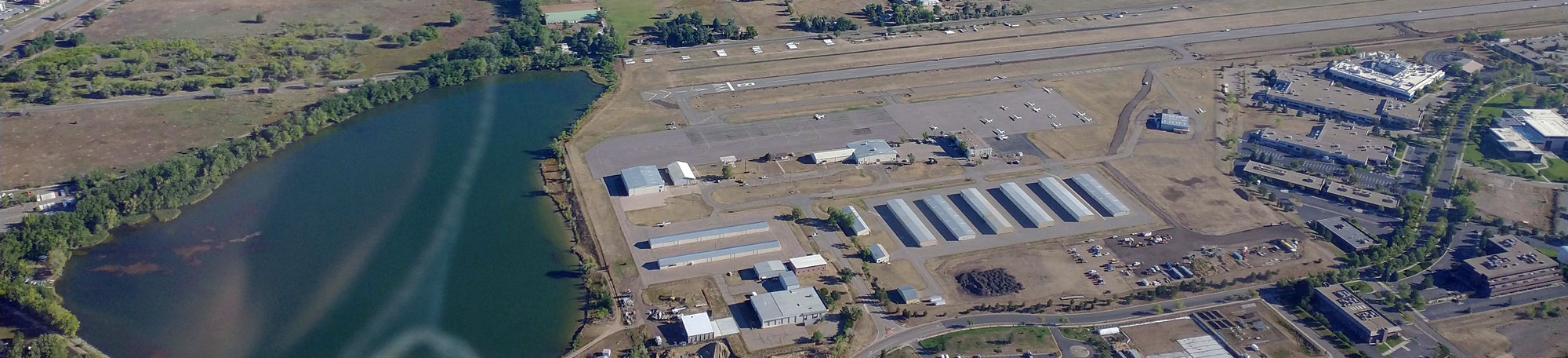
Boulder Municipal Airport (KBDU), nestled at the foothills of the Rocky Mountains, stands as a vital asset for Boulder, Colorado. Beyond its picturesque charm, the airport brings substantial economic benefits, fosters climate research, and plays a crucial role in the city’s future transportation infrastructure. The airport serves as a local community resource and base for 300+ pilots*, 600+ aviation enthusiasts**, and 30+ students actively pursuing pilot licenses at any given time.
* ~150 motorized pilots, ~160 glider pilots
**Antique Aircraft Association of Colorado, Vintage Aircraft Association of Colorado, Experimental Aircraft Association, Boulder Soaring Society
 Boulder’s Economic Engine, Boulder Municipal Airport is a significant driver of the city’s economic prosperity. It generates over $60 million in annual revenue, supporting local businesses, job creation, and tourism. The airport sustains approximately 300 direct and indirect jobs, ranging from pilots and aviation mechanics to transportation and hospitality services. This economic activity, in turn, contributes to the city’s overall fiscal health.
Tourism and Local Business The airport serves as a gateway for tourists visiting Boulder, contributing approximately $15 million annually to the local hospitality industry and retail businesses. It connects visitors to local attractions, restaurants, and shops, thus driving economic growth throughout the region.
(CDOT 2020 Colorado Aviation Economic Impact Study. https://www.codot.gov/programs/aeronautics/studies-plans-reports/2020ceis)
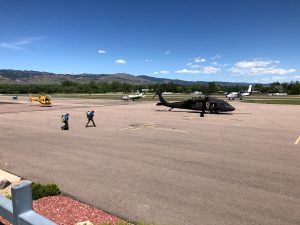 Emergency Response and Disaster Relief Boulder Community Hospital’s Flight for Life Helicopter is based and serviced at Boulder Airport providing lifesaving emergent transport to city and county residents. The airport serves as a lifeline during emergencies and natural disasters. It provides a critical access point for first responders and disaster relief teams, ensuring a rapid and efficient response in times of crisis. Rescue operations during the 2013 flood were the second largest air response in US history after Hurricane Katrina’s. Boulder’s airport is an essential asset for the city’s safety and resilience.
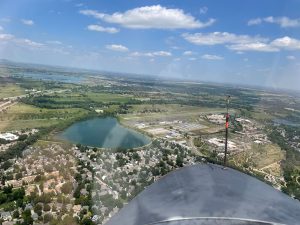 Boulder’s Hub for Climate Research Boulder is renowned for its thriving climate research community, with several local companies and prestigious universities leading the way. These institutions, including the National Center for Atmospheric Research (NCAR) and the University of Colorado Boulder, conduct cutting-edge research on climate change, atmospheric science, and environmental sustainability.
Partnerships with Local Researchers Boulder Airport companies NEON Science and Scientific Aviation collaborate closely with these local research entities, offering a unique platform for airborne climate research. Researchers at these institutions utilize the airport as a base for local, national, and international scientific flights, data collection, and monitoring. This collaboration not only enhances our understanding of climate-related challenges but positions Boulder as a hub for climate innovation.
NEON Science https://www.neonscience.org/resources/research-support/aop-flight-campaigns
Scientific Aviation https://www.scientificaviation.com/about/
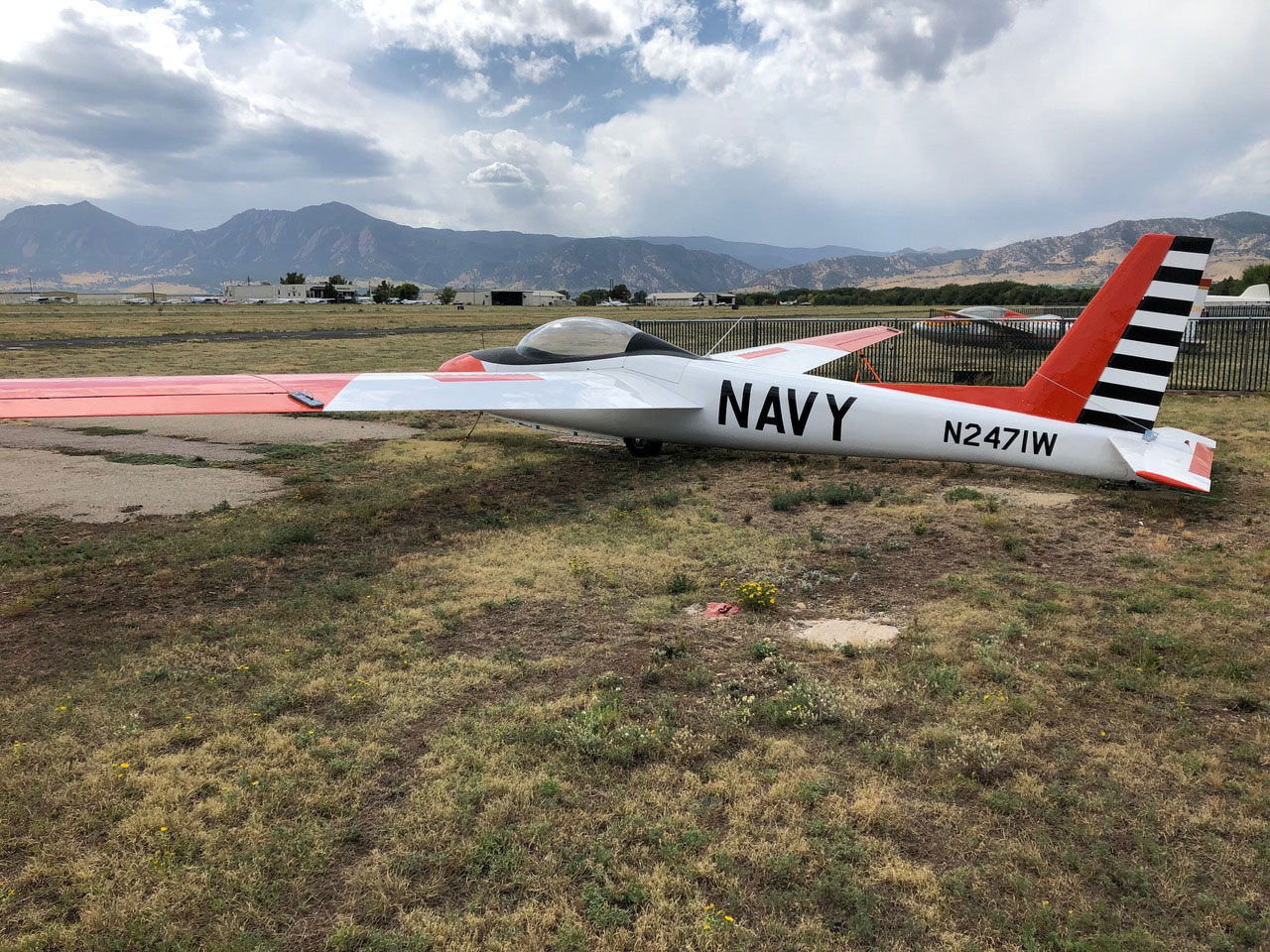
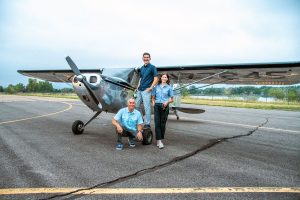
 Boulder is the first airport in Colorado to have installed on ramp charging stations for coming electric flight. One half of Boulder Soaring Society’s fleet is now self-launching and it has taken delivery of its first fully electric self-launching glider. Journey’s Aviation flight school has taken delivery of 2 highly efficient, quiet, European Pipistrel training aircraft as part of fleet upgrade.
The FAA is aggressively finalizing removal of lead and transition to fully unleaded aviation fuel. The airport eagerly awaits and reportedly is first in line for Colorado sale of a universal fully unleaded Avgas pending FAA national release. This fuel is a complete replacement for ALL leaded fuel at Boulder airport
Boulder’s Vision Boulder Municipal Airport is poised to play a crucial role in the city’s future transportation infrastructure. As the city grows, it will become increasingly important to provide efficient and sustainable transportation options. The airport can serve as a multi-modal transportation hub, connecting electric air travel with ground transportation, such as buses, light rail, and rideshare services, creating a seamless, eco-friendly transit experience.
Emergency Response and Disaster Relief Boulder Community Hospital’s Flight for Life Helicopter is based and serviced at Boulder Airport providing lifesaving emergent transport to city and county residents. The airport serves as a lifeline during emergencies and natural disasters. It provides a critical access point for first responders and disaster relief teams, ensuring a rapid and efficient response in times of crisis. Rescue operations during the 2013 flood were the second largest air response in US history after Hurricane Katrina’s. Boulder’s airport is an essential asset for the city’s safety and resilience.
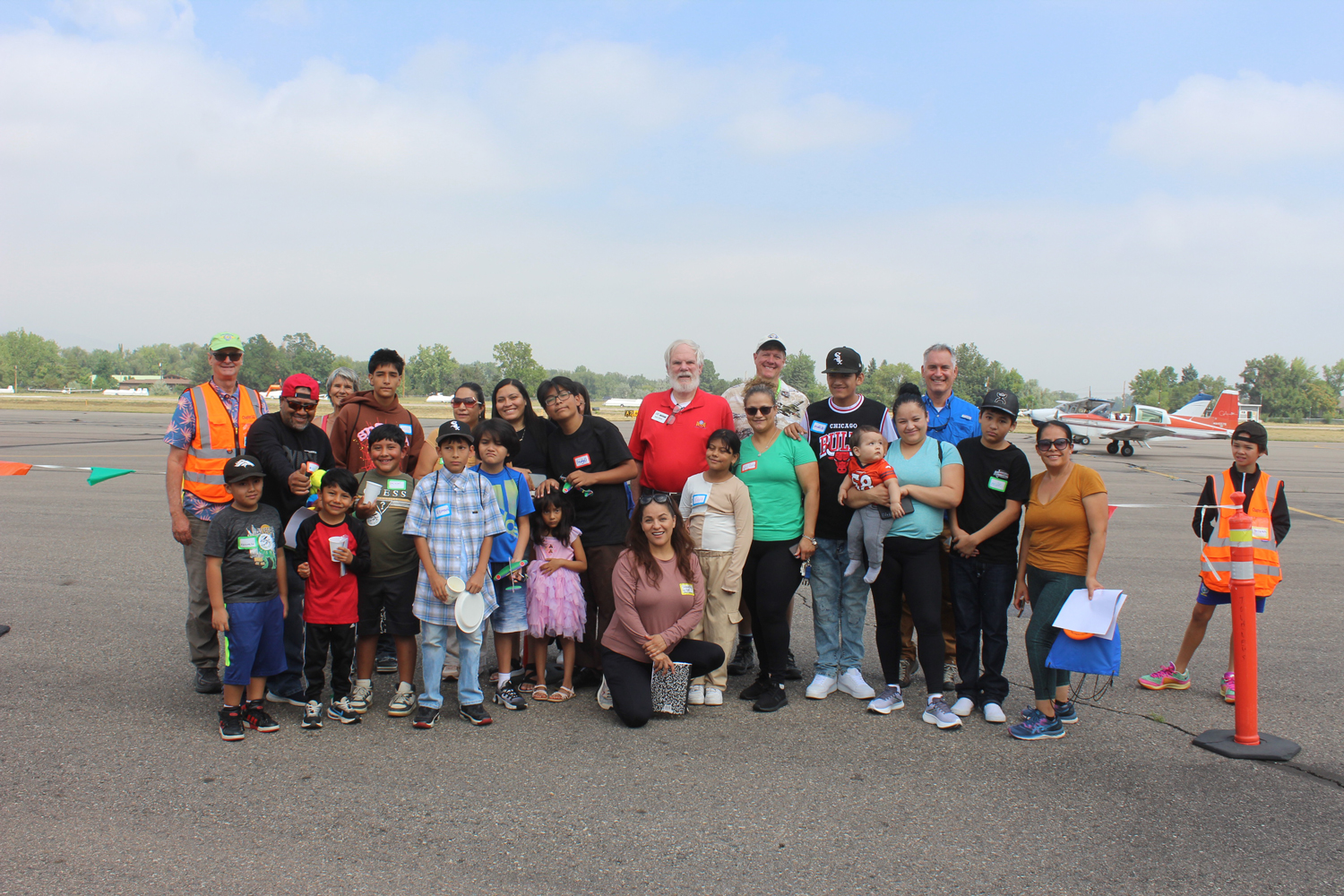
 The airport fosters a sense of community and aviation education. It hosts weekly events, airshows, and educational programs that engage residents and inspire future aviators. These initiatives cultivate an appreciation for aviation, STEM education, and career opportunities within the aerospace industry. The Boulder Airport partners with EAA Chapter 1627 to provide Young Eagles Rallies throughout the year, offering free educational flights to kids aged 8-17. Since 2019, more than 400 local children have benefited from the Young Eagles initiative, fostering careers in aviation, aerospace, science and engineering.
The Airport also works with multiple organizations to provide educational scholarships for students to obtain their pilot’s license. We have proudly awarded scholarships to eight students in the past five years, and currently four of these students are actively training at Boulder Airport to become pilots.
Boulder Airport has collaborated with both Vista Village and San Lazaro Manufactured Home Communities to foster a deeper connection and provide educational opportunities to children and families living in these communities that neighbor the airport.
Educational scholarship sources have included:
EAA chapter 1627, EAA National, Aircraft Owners Pilot Association, Women in Aviation International, The 99s, Colorado Pilots Association, Soaring Society of America, Antique Aircraft Association of Colorado, and Colorado Aviation Business Association.
FAA Position
(4/27/23 excerpt from FAA letter to Boulder City Council)
“It is FAA’s policy to strengthen the national airports system and not to support the closure of public airports. The FAA has rarely approved an application to close an airport. Such approvals were only in highly unusual circumstances where closing the airport provided a benefit to civil aviation.”
Read the letter from the FAA to Boulder City Council
Following an inquiry by the City to the FAA to provide “a better understanding of the FAA’s position,” the FAA responded with a second letter, dated March 20, 2024. This second letter re-emphasized that the City’s obligations to the FAA to maintain the airport are perpetual and do not expire after 20 years from the date of grant acceptance.
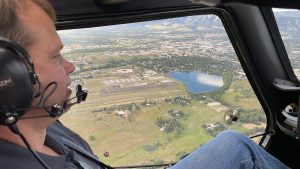 Boulder Municipal Airport is more than just a picturesque airstrip; it’s a catalyst for economic growth, a hub for climate research, a contributor to climate change mitigation, and a source of education and community engagement. As Boulder continues to evolve, the airport remains a valuable asset, enriching the lives of residents and visitors alike. By nurturing this essential piece of infrastructure, Boulder can look forward to a more prosperous, research-driven, and connected future.
For more information, contact: saveboulderairport24@gmail.com